Insider tips for office cleaning for Greenwich businesses
If you run a business in Greenwich, you already know that office cleaning is never just about making desks look tidy. It affects first impressions, staff comfort, hygiene, productivity, and even how long your fittings and flooring last. The tricky bit? The clean that works in a busy office is often very different from the clean that works at home. A reception area needs to feel polished by 8:30am. Meeting rooms need to look ready without smelling heavily of chemicals. Washrooms, kitchens, carpets, windows, touchpoints, and bins all need their own rhythm.
These insider tips for office cleaning for Greenwich businesses are designed to help you think like an experienced facilities manager, even if you do not have one. We will walk through what matters, how a good office cleaning routine works, where most businesses go wrong, and how to get better results without wasting time or money. And yes, a few small things make a surprisingly big difference. Sometimes it is the boring little habit that saves the whole week.
Why office cleaning matters for Greenwich businesses
Office cleaning matters because it quietly shapes the way people experience your business every single day. In a place like Greenwich, where offices can range from boutique professional spaces to busy multi-tenant workplaces, the expectations are often high. Clients notice the reception desk, the smell in the corridor, the state of the glass, the fingerprints on the meeting-room screen, and the crumbs in the kitchenette. Staff notice too, even if they do not mention it. They just feel it.
A well-cleaned workplace does more than look respectable. It can support better morale, reduce complaints, and help you present a consistent image. That matters whether you are welcoming clients, interviewing candidates, or running a small team that works in the office only a few days a week. Hybrid work has changed the game a little. Fewer people in the office can mean less daily mess in some areas, but it can also mean dust builds up more quietly. Then suddenly one Monday morning, everything feels a bit stale. You know the feeling.
There is also a practical side. Shared surfaces, kitchen appliances, washrooms, and high-touch points can become the first places where bad hygiene shows up. A good cleaning plan helps keep those spots under control before small issues become awkward ones. If your office has carpets, fabric seating, or hard flooring, regular maintenance also helps protect the investment you have already made in the space.
Expert summary: The best office cleaning plans are not the flashiest ones. They are the routines that stay consistent, fit the building, and match how the space is actually used.
How office cleaning works
Office cleaning works best when it is built around use, not just appearance. That means different zones get different levels of attention. A reception area, for example, may need daily dusting, vacuuming, and glass wipe-downs. A storage room may need less frequent attention. A washroom or kitchenette may need a stricter schedule because hygiene, smells, and touchpoints are involved.
The process usually starts with a site understanding. Good cleaners look at what the office contains, how many people use it, what the busiest hours are, and whether there are sensitive materials such as IT equipment, files, or specialist flooring. Then they create a plan. In practice, that plan may include daily tasks, weekly tasks, and deeper periodic tasks. A proper routine tends to cover:
- emptying bins and replacing liners
- vacuuming and floor care
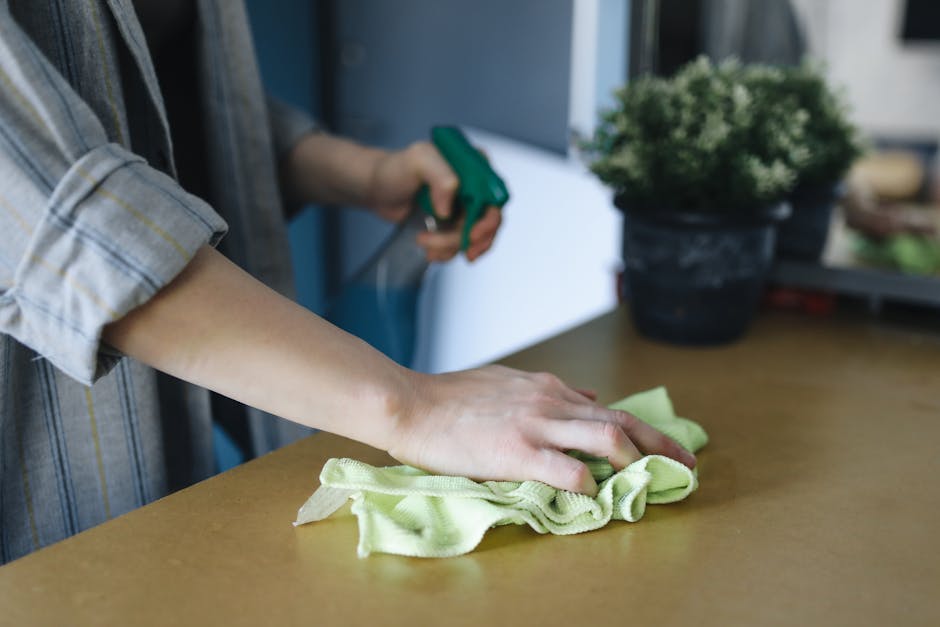
- desk, table, and touchpoint wipe-downs
- kitchen and washroom sanitising
- glass and partition cleaning
- spot treatment for stains and spills
- restocking consumables where agreed
For Greenwich businesses, timing matters as much as the tasks. Some spaces are easier to clean after hours. Others need an early-morning turnaround before the first visitor arrives. A good cleaner should fit into your working pattern rather than disrupt it. That sounds obvious, but plenty of office cleaning problems start there.
There is one more thing that is easy to overlook: coordination. If your business also uses commercial cleaning for common spaces or has carpets that need specialist treatment, the office cleaning schedule should be aligned with those services rather than treated like separate islands. Otherwise you end up cleaning the same corner twice and forgetting the one that actually matters.
Key benefits and practical advantages
The obvious benefit is a cleaner office. Fair enough. But the deeper value comes from what that cleaner office does for everyone who uses the space. You can feel the difference pretty quickly once the routine is right.
- Better first impressions: Visitors are more likely to trust a business that feels orderly and cared for.
- Improved staff comfort: People tend to work better in a space that does not feel grimy or cluttered.
- Less surface wear: Regular care helps protect carpets, desks, flooring, and upholstery.
- More predictable hygiene: Kitchens, toilets, and shared touchpoints stay under control.
- Fewer last-minute scrambles: A regular schedule reduces emergency cleans before meetings or inspections.
- Better value over time: Prevention usually costs less than catch-up work. Usually.
There is also a surprisingly strong morale effect. If staff walk into a clean kitchen, clear work area, and fresh-smelling meeting room, they tend to start the day with less friction. Nobody is writing poetry about the bin area, of course, but people do notice when it is sorted. On the other hand, a neglected office can make even a tidy team feel a bit deflated.
For businesses that host clients in Greenwich regularly, good office cleaning can support brand perception in a very direct way. The office becomes part of the sales process. Not in a flashy way. In a quiet, steady way that builds confidence.
Who this is for and when it makes sense
These tips are useful for a wide range of Greenwich businesses. If your team is small and self-managed, you may be trying to keep standards high without wasting billable time. If your office is larger, you may need a better system for coordinating cleaners, staff expectations, and specialist work.
This approach makes sense if you are:
- a small professional practice with client visits
- a co-working or shared workspace operator
- a growing team in a modern office suite
- a landlord or managing agent responsible for office condition
- a business moving into a new space and setting standards from day one
- a company recovering from renovation or fit-out work
It is especially relevant when your office has mixed use. For example, a reception and boardroom may need a more polished finish than a back-of-house admin area. Or maybe your office is quiet midweek but full on Monday and Friday. That changes everything. Cleaning should respond to actual traffic, not a perfect spreadsheet fantasy.
If you are moving in, moving out, or refreshing a tired office, it can also help to look at related services such as move-in cleaning, move-out cleaning, or a deeper reset through deep cleaning. Those options are often more useful than a standard tidy-up when the space needs a proper restart.
Step-by-step guidance
Here is the simplest way to build a better office cleaning system without making it overly complicated. Honestly, complicated systems often collapse by week three.
1. Map the space by use
Start with the areas that matter most: entrance, reception, desks, meeting rooms, kitchen, toilets, storage, and any communal spaces. Then note how each area is used. A meeting room used twice a week needs something different from a lunchroom used all day.
2. Identify high-touch and high-risk spots
Door handles, switches, tap levers, keyboards, shared equipment, fridge handles, and lift buttons all deserve attention. If people keep touching it, it needs a plan. That is the rule, really.
3. Set realistic frequencies
Some jobs belong daily, some weekly, some monthly. Do not put everything on the same schedule unless you want your team to ignore the whole list. A sensible routine might include daily waste removal, weekly dusting of high shelves, and periodic carpet or upholstery care.
4. Separate the visible from the critical
It is easy to focus on what clients can see and forget what staff actually use. The shiny reception counter may look great while the kitchen sink is a mess. Balance both. The hidden stuff has a way of becoming visible eventually.
5. Use the right specialist support where needed
Not every task should be handled in-house. If your office has worn carpets, stained chairs, or hard flooring that has lost its finish, specialist help can save time and improve results. Services such as commercial carpet cleaning, hard floor cleaning, or window cleaning can be more efficient than trying to improvise.
6. Review the routine after two or three weeks
If certain tasks are always missed, the schedule is wrong or the placement is wrong. Adjust it. Office cleaning should be a living system, not a laminated hope pinned to a wall.
Expert tips for better results
These are the little things that tend to separate a merely acceptable office clean from one that feels properly professional.
- Clean from top to bottom: Dust falls. If you clean floors first, you may be doing them twice.
- Use colour-coded cloths where practical: It helps reduce cross-contamination between washrooms, kitchens, and desks.
- Keep consumables near the point of use: If wipes, liners, and hand products are easy to reach, they get used more consistently.
- Pay attention to entry points: The first 10 steps into an office often set the tone for the rest of the space.
- Respect IT and paperwork: A beautiful cleaning routine is no use if it damages cables, monitors, or confidential documents.
- Rotate deep tasks: Don't let the same hidden corners go untouched for months.
One practical tip many Greenwich businesses overlook is scent control. A room can look clean but still feel off if bins, kitchen drains, or carpets are holding odours. Light ventilation, proper waste handling, and periodic stain removal or specialist upholstery care often solve more than people expect.
Another one: get staff buy-in for tiny habits. Not a big lecture. Just simple norms, like clearing mugs, wiping the microwave after spills, or logging a tea spill before it becomes an office mystery. The little stuff matters. It really does.
Common mistakes to avoid
Most office cleaning headaches come from a handful of predictable mistakes. The good news is that they are easy enough to fix once you spot them.
- Assuming all rooms need the same frequency: They do not.
- Ignoring soft furnishings: Chairs, sofas, curtains, and rugs trap dust and odours.
- Using the wrong products: Harsh chemicals can damage finishes and leave lingering smells.
- Cleaning around clutter forever: At some point, things must be moved or the clean is only half done.
- Forgetting the edges and corners: Dust loves neglected edges. It settles in quietly, then suddenly it is everywhere.
- Not checking standards regularly: If no one reviews the work, small problems become normal.
A surprisingly common issue is over-cleaning in the wrong places. A glossy surface may get wiped repeatedly while the carpet near the entrance starts looking tired. That is not a system. That is just busyness.
Another mistake is failing to plan for seasonal mess. In wetter months, entrances pick up more grit and moisture. In warmer periods, bins and kitchens need tighter attention. Greenwich businesses with heavy footfall will feel this shift pretty quickly.
Tools, resources and recommendations
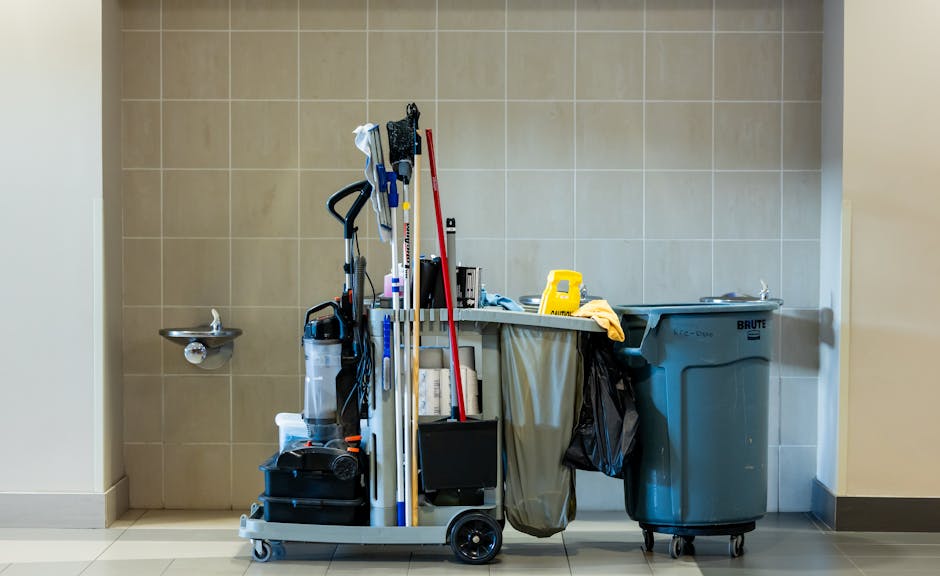
You do not need a warehouse full of equipment to maintain a professional office. But you do need the right basics. A sensible toolkit usually includes:
- microfibre cloths for general dusting and wipe-downs
- colour-coded cloths for different areas
- vacuum cleaners suitable for office carpets and edges
- neutral cleaning products for desks and finishes
- glass cleaner for partitions and internal windows
- sanitising products used carefully and according to instructions
- bin liners, spare consumables, and restock logs
For more specialist jobs, it is often better to bring in a service that already knows the difference between routine maintenance and restorative work. If carpets are looking flattened or marked, a targeted service like carpet cleaning may be a better fit. For sofas, visitor seating, or lounge areas, upholstery cleaning can restore the feel of the room without replacing furniture too early. If the office has shared upholstered chairs in a waiting area, that one service can make a bigger difference than people expect.
Businesses with sustainability goals may also want to factor in waste handling and greener choices. Where practical, the service model should align with recycling and sustainability principles, especially for packaging, waste segregation, and product selection. It is a small operational detail, but it sends the right signal.
Law, compliance, standards, or best practice
Office cleaning in the UK is not just a visual matter; it sits alongside everyday responsibilities around safety, hygiene, and workplace management. You do not need to turn cleaning into a legal project, but you do need sensible controls. In practical terms, that means risk-aware work methods, safe product handling, appropriate access arrangements, and clear communication about any hazards in the space.
Good providers usually have their own health and safety policy and insurance and safety arrangements. That should give businesses more confidence, especially when cleaners are working after hours or around sensitive equipment. Ask how they manage access, what they do if they find damage, and how they handle spillages, sharps, or other unexpected issues. The answers matter more than a glossy brochure.
There are also standard UK expectations around privacy and confidentiality in office settings. If cleaners can see workstations, screens, documents, or client information, they need to behave accordingly. That is less about paperwork and more about judgement and trust. To be fair, that is what most businesses really want: someone who does the job properly and quietly, without fuss.
If you want a clearer idea of service expectations, pricing transparency, or how a provider structures jobs, it helps to review pricing and quotes alongside the terms and service details. The fine print is not glamorous, but it can prevent misunderstandings later.
Options, methods, or comparison table
Not every office needs the same cleaning model. The right choice depends on traffic, budget, room types, and how much responsibility you want in-house. Here is a simple comparison that can help.
| Approach | Best for | Strengths | Watch-outs |
|---|---|---|---|
| In-house daily upkeep | Very small offices or teams with clear routines | Fast response, direct control, easy for minor tidying | Can become inconsistent; specialist tasks are often missed |
| Regular professional cleaning | Most Greenwich offices with steady footfall | Consistent standards, less staff burden, better hygiene control | Needs clear scope and good communication |
| Periodic deep cleaning | Spaces needing reset, seasonal refresh, or post-project work | Tackles built-up grime, detail areas, and forgotten spots | Not a substitute for regular maintenance |
| Mixed model | Businesses wanting flexibility and cost control | Balanced, efficient, tailored to actual use | Requires good planning to avoid gaps |
In many cases, the mixed model wins. A small in-house routine handles the daily basics, while periodic professional support covers the heavy lifting. That is often the sweet spot for businesses in Greenwich that want a clean office without overcommitting budget or staff time.
Case study or real-world example
Consider a small professional office near central Greenwich with a reception area, two meeting rooms, a kitchenette, and a shared washroom. For months, the team tried to manage cleaning informally. One person wiped the counter if they remembered. Another emptied bins when they noticed them full. The carpet by the entrance looked fine most days, then suddenly it looked tired. The kitchen smelled a little stale by Thursday afternoons. Nothing dramatic, just enough to create an undercurrent of mess.
They changed the approach. First, they mapped the space by use. Reception and washroom areas became daily priorities. Meeting rooms moved to a twice-weekly schedule. The kitchenette got a more defined wipe-down and waste routine. They also brought in specialist help for the carpets and glass, and they set a simple review point at the end of each month. Nothing fancy, just a bit more discipline.
Within a few weeks, the office felt calmer. Visitors were greeted by cleaner glass and a better-smelling entrance. Staff spent less time grumbling about the sink. And perhaps most usefully, no one had to stage a mini panic clean five minutes before a client meeting. That alone is worth a lot on a Wednesday morning.
Practical checklist
Use this checklist to pressure-test your current office cleaning plan. If several boxes are being ticked "not really", that is your cue to tighten things up.
- Have you split the office into zones by use?
- Do high-touch areas have a clear cleaning frequency?
- Are kitchen and washroom tasks more frequent than desk tasks?
- Is bin handling defined, not improvised?
- Are carpets, upholstery, and flooring included in the plan?
- Do staff know what is expected of them and what is handled by cleaners?
- Is there a process for spills, stains, and urgent clean-ups?
- Are access, security, and confidentiality covered?
- Have health and safety arrangements been checked?
- Is the schedule reviewed regularly rather than left untouched for months?
If you want a cleaner office tomorrow, start with the entrance, kitchenette, and washroom. Those three areas influence the entire feel of the building more than people realise.
Conclusion
Office cleaning for Greenwich businesses works best when it is practical, consistent, and tailored to real usage. The biggest wins usually come from small decisions: matching the schedule to footfall, protecting high-use areas, keeping standards visible, and using specialist support where it genuinely adds value. That is the real insider trick. Not a secret product, not a magical shortcut. Just a smart system that fits your office and stays usable week after week.
When the cleaning plan is right, the office feels lighter. People settle in more quickly. Clients notice the polish. Staff spend less energy around avoidable mess. It is one of those behind-the-scenes things that quietly improves everything else. And if your space has been feeling a bit off lately, that does not mean you need a full overhaul. Sometimes you only need a better rhythm.
Get a free quote today and see how much you can save.
Frequently Asked Questions
What is the best office cleaning schedule for a Greenwich business?
The best schedule depends on footfall, room use, and whether the office hosts clients. Most businesses do well with daily attention for shared and high-touch areas, plus weekly or periodic tasks for less-used spaces.
How often should office carpets be cleaned?
That depends on traffic and the type of business, but carpets in reception areas and busy walkways usually need more regular care than private offices. Spot treatment should happen quickly, before marks settle in.
Should staff do the office cleaning themselves?
Staff can handle light day-to-day habits such as clearing mugs or wiping small spills, but it is usually better to have a clear professional cleaning plan for hygiene, consistency, and time-saving.
What are the most important areas to clean first in an office?
Start with entrances, washrooms, kitchens, and shared touchpoints. These areas shape first impressions and hygiene more than almost anything else.
How do I know if we need a deep clean instead of regular cleaning?
If the office has built-up dust, persistent odours, tired carpets, neglected corners, or visible grime in detail areas, a deep clean is likely the better option. Regular cleaning alone may not reset the space.
Are cleaning products safe to use around office equipment?
They can be, if used carefully and with the right method. Avoid soaking cloths, spraying directly onto electronics, or using harsh products where a neutral cleaner will do the job.
What should I ask a cleaning provider before booking?
Ask what is included, how often they recommend each task, how they handle access and security, and whether they have sensible health and safety and insurance arrangements in place.
Can office cleaning help with odours?
Yes. Bin management, kitchenette hygiene, carpet care, upholstery care, and ventilation all help reduce lingering smells. Odours often come from several small issues rather than one big one.
How do I keep office cleaning consistent during hybrid work?
Base the schedule on real occupancy rather than old assumptions. Some rooms may need less frequent use-based cleaning, while shared spaces may need more targeted attention on busy days.
What is the difference between office cleaning and commercial cleaning?
Office cleaning is usually focused on workspaces, desks, meeting rooms, kitchens, and washrooms. Commercial cleaning is broader and can include shared buildings, different floor types, and more varied site conditions.
How can I make office cleaning more cost-effective?
Focus resources on the spaces that matter most, avoid over-cleaning low-use rooms, and combine routine maintenance with periodic specialist support where needed. A sensible plan usually saves more than cutting corners.
What if our office has stained chairs or worn flooring?
That is when specialist services can help. Upholstery care, carpet cleaning, or hard floor maintenance can often improve the look and feel of the office without replacing furniture or flooring too early.